
Chikankata Mission Hospital: Care at the Centre of Rural Zambia
The Salvation Army’s Chikankata Mission Hospital is located in the heart of rural southern Zambia, more than three hours by road from the capital city, Lusaka. It serves a wide and dispersed population of more than 55,000 people living across farming communities, small settlements, and mission compounds where access to services is shaped by distance, infrastructure, and seasonal conditions.
For many families, Chikankata is the only hospital they can realistically reach. Established 82 years ago at its current location, it has grown over time into a key regional institution, serving as a referral hospital for surrounding rural clinics, outreach posts, and mission schools. From its rural setting, Chikankata provides inpatient care, emergency services, and specialist referral for communities spread across a wide geographic area, many of whom would otherwise have no practical access to hospital level care.
A Long Serving Institution Responding to Aging Infrastructure
As a long-established mission hospital, Chikankata’s infrastructure reflects the period in which it was built. Core systems such as water supply, power, clinical facilities, and diagnostic services were designed decades ago for a smaller population and a more limited range of medical services. Over time, this aging infrastructure has come under increasing strain, affecting the hospital’s ability to operate reliably and safely, particularly during emergencies or periods of high demand.
In response, a series of targeted projects have been undertaken to address these constraints and ensure that Chikankata can continue to serve its community effectively. The work has been funded primarily through the Helmsley Charitable Trust, with additional support from other partners, including the Karlin Family Foundation. Together, these investments represent practical responses to specific infrastructure gaps that began to limit care delivery. Key areas of investment include:
- Upgrading water systems, replacing reliance on unsafe surface water and ensuring reliable access for patients, staff, and schools.
- Strengthening primary health care, through support for rural clinics and outreach services that reduce unnecessary travel and ease pressure on the hospital.
- Improving power reliability, including partnering in installing of solar backup systems to protect critical services during frequent grid outages.
- Enhancing diagnostic and referral capacity, allowing patients to be assessed more quickly and referred appropriately without long, costly journeys.
Explore Chikankata Stories
 Clean Water at Chikankata
 Reliable Power at Chikankata
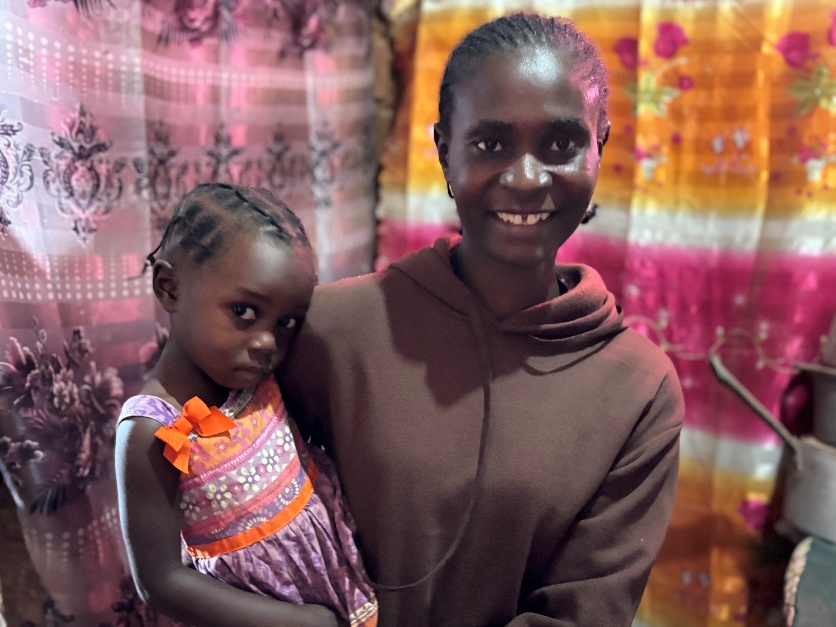 Primary Health Care at Chikankata
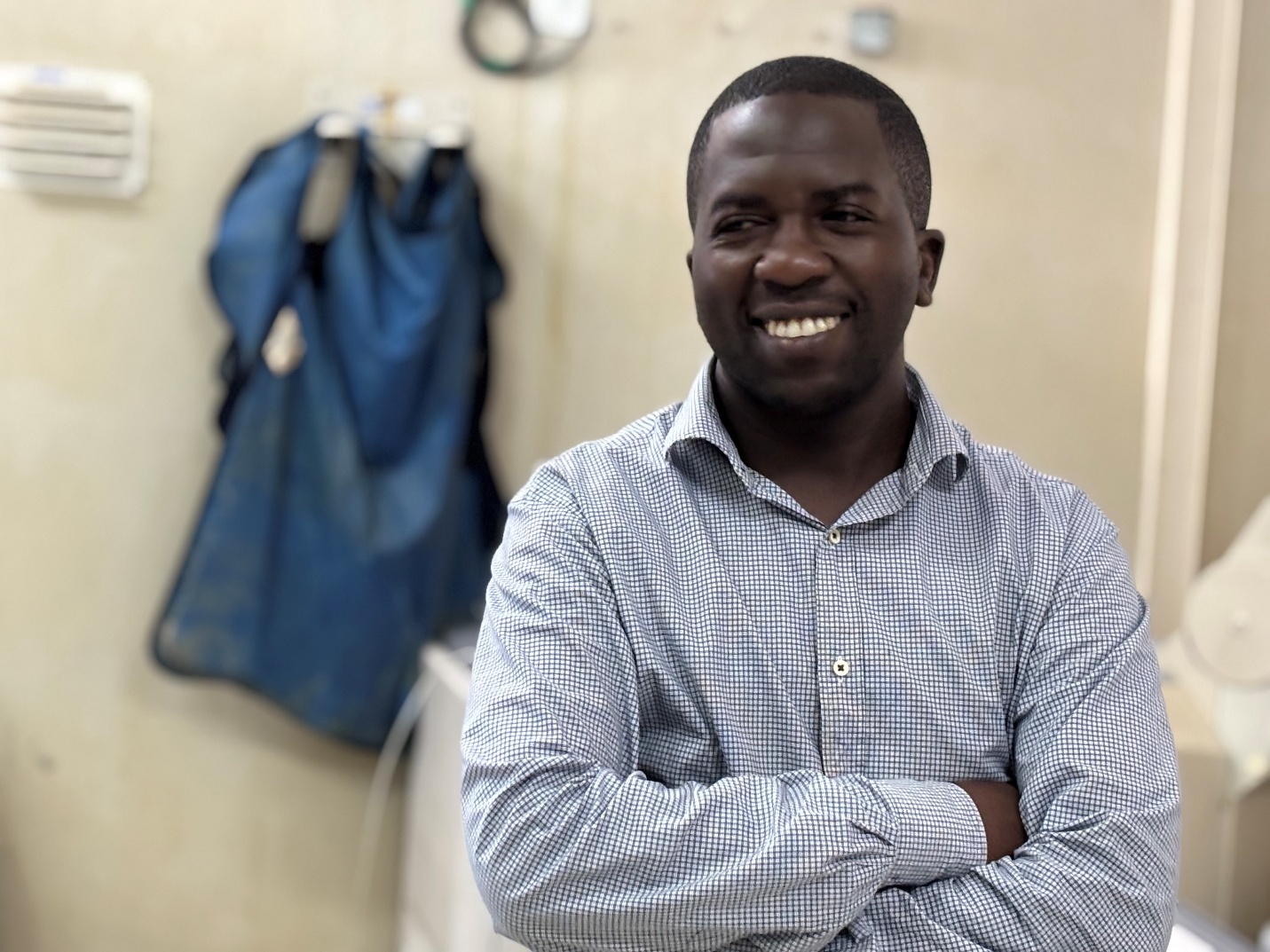 Digital X-ray Services at Chikankata
An Integrated Approach to Rural Care
What distinguishes Chikankata is not one project in isolation, but how water, power, diagnostic capabilities, and referral systems work together to keep the hospital functioning and responsive in a remote setting.
Clean water reduces preventable illness and supports the hospital, schools, and other services across the Chikankata compound. Hospitalsupported primary care and outreach services extend treatment into surrounding communities, reducing travel burdens for patients while maintaining clear referral pathways back to Chikankata Mission Hospital when higher-level care is needed. Reliable power allows surgeries, intensive care, and diagnostic services to continue during outages. Improved imaging and referral systems shorten waiting times, strengthen clinical decisionmaking, and reduce costs for patients.
Together, these investments address the realities of aging infrastructure while preserving Chikankata’s core purpose: providing safe, dependable care to rural communities for whom alternatives are limited or nonexistent.
Primary Health Care: Building Capacity Close to Communities
The Primary Health Care program at Chikankata was established in 2018, at a time when many rural clinics in the surrounding area were operating with extremely limited capacity. In some locations, a single nurse was responsible for all outpatient care, maternal services, and referrals, often serving large and widely dispersed populations.
The program focused on strengthening frontline services rather than replacing them. It supported rural clinics with additional community health workers, training, outreach coordination, and clear referral pathways to Chikankata Mission Hospital. Over time, this approach increased both capacity and consistency of care across the network of clinics serving the region.
Today, clinics of this type are typically staffed by five or six health workers, allowing services to be delivered more reliably and safely. Antenatal care, HIV testing and treatment, child health services, and routine outpatient care are now available closer to where people live, reducing unnecessary travel and easing pressure on the hospital.
Importantly, the systems and practices established through the Primary Health Care program have continued beyond the end of the initial Helmsley Charitable Trust project funding. Outreach services, referral protocols, and standards of care introduced in 2018 are now embedded as routine practice, continuing to shape service delivery across the community.
As a result, Primary Health Care has had a sustained impact. Patients are seen earlier, referrals are clearer and timelier, and hospital services are better able to focus on cases that require higher-level care. The program strengthened not only individual clinics, but the overall health system supporting rural communities around Chikankata.
Maternal and Child Health: A Regional Referral Hub
The Maternal and Child Health (MCH) clinic at Chikankata Mission Hospital serves as the central referral point for surrounding rural clinics and outreach posts.
The clinic provides antenatal and postnatal care, prevention of mother-to-child transmission of HIV, child growth monitoring, family planning, and dedicated services for teenage mothers delivered in age appropriate settings. Male involvement is actively encouraged, with couples attending counselling, testing, and education together.
When complications are identified at rural clinics, patients are referred to Chikankata Hospital for ultrasound, higher-level obstetric care, or supervised delivery through a network support system. For women who live far from the hospital, a mother’s shelter near the facility allows them to stay close to care as they approach delivery, reducing risk during labor.
This referral model allows early identification of complications, timely escalation of care, and safer outcomes for mothers and children across a wide catchment area.
Reliable Power: Continuity of Care During Emergencies
In a hospital setting, electricity is essential for safe care. Prior to the installation of solar power, outages regularly disrupted services at Chikankata. Critical equipment stopped functioning, procedures were delayed, and staff were required to manage additional risk during power cuts, particularly during emergencies and at night. To maintain operations, the hospital relied heavily on diesel generators, which were costly to run and difficult to sustain over time.
Solar power was installed at the hospital in 2024, providing reliable backup power across the hospital. Since then, its impact has been felt across multiple departments. In the intensive care unit, oxygen concentrators, patient monitors, and suction equipment continue operating during grid outages. In the operating theatre, surgical procedures can proceed without interruption, even when external power fails.
Staff report reduced clinical risk, improved confidence during emergencies, and greater consistency in care delivery since the introduction of solar backup. Essential services are now protected during outages, allowing care to continue safely when it is most needed.
The introduction of solar power has also significantly reduced the hospital’s dependence on generators, lowering fuel consumption and operating costs. Resources previously spent on fuel and generator maintenance can now be redirected toward patient care, equipment, and essential services. Staff report reduced clinical risk, improved confidence during emergencies, and greater consistency in care delivery since the introduction of solar backup.
Reliable power has also improved safety beyond clinical spaces. Solar lighting allows patients, families, and staff to move safely around the hospital at night, reducing delays in seeking care and improving access during emergencies.
Diagnostics and Referral: Reducing Delay and Cost
Reliable power supports diagnostic services as well. With onsite digital X-ray and ultrasound imaging, patients no longer need to travel long distances simply to obtain a diagnosis. Waiting times are shorter, results are available quickly, and images can be shared with referral hospitals to support faster decision-making.
For patients with injuries or suspected complications, this reduces both cost and delay. One patient who fractured her arm after a fall was able to walk to Chikankata, receive an Xray and treatment the same day, and avoid days of travel and expense that had been required in the past.
Clean Water: A Foundation for Community Health
Until recently, households across the Chikankata mission and surrounding community relied on surface water sources such as the lake, as well as underground boreholes a considerable distance away. Collecting water was time-consuming and physically demanding, often requiring long walks and repeated trips each day. These demands affected families, schools, and health services alike, shaping daily routines and limiting time for work, learning, and care.
Testing of these water sources identified serious quality concerns. The water was contaminated with E. Coli, indicating fecal contamination and a high risk of waterborne disease. It was also found to contain elevated mineral levels, which can contribute to kidney-related health problems over time. These findings reflected what community members and health staff were observing in practice: frequent stomach illness, skin rashes, and irritation associated with water use, placing additional strain on households and the local health system.
Today, following the installation of a new water treatment plant in 2025, treated water is supplied to key facilities across the mission compound, including the hospital, clinics and schools, with connections to most nearby homes expected to be completed in the coming months.
Residents no longer depend on unsafe surface sources for drinking, washing, or cooking in areas already connected to the new system, or have to walk long distances to collect water from boreholes. Early monitoring and reports from health staff indicate significant reductions in waterborne illness, skin irritation, and hygiene related complaints, reflecting improved water quality and safer daily use.
The impact is both immediate and cumulative. Families spend less time collecting water and more time on other daily activities, while health facilities report fewer cases of water-borne illness requiring treatment. Schools and other community services are operating more consistently, with fewer disruptions linked to water access. By addressing both biological contamination, including E. Coli, water-borne parasites like amoebas, dangerous viruses such as typhoid, and elevated mineral levels, the water system has improved safety while reducing longer-term health risks linked to untreated sources.
Clean water has become a foundational investment at Chikankata, supporting community health, education, and the effective functioning of services across the mission as system coverage continues to expand.