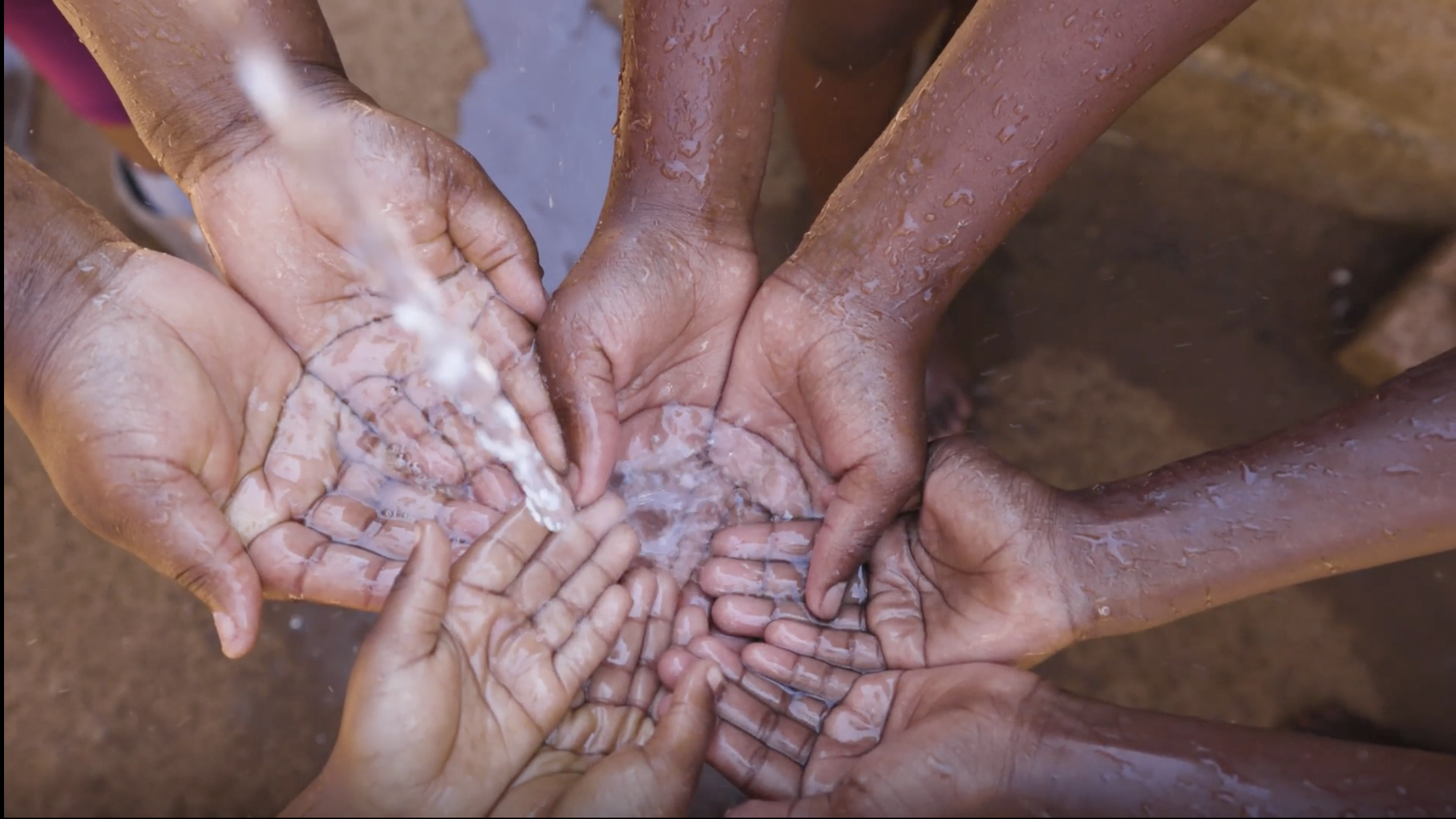
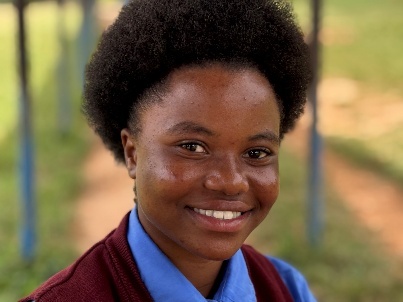
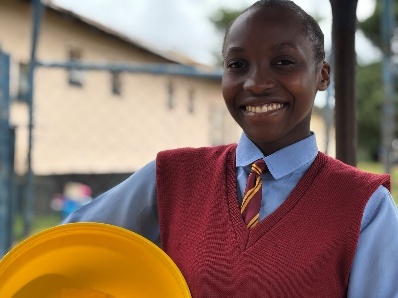
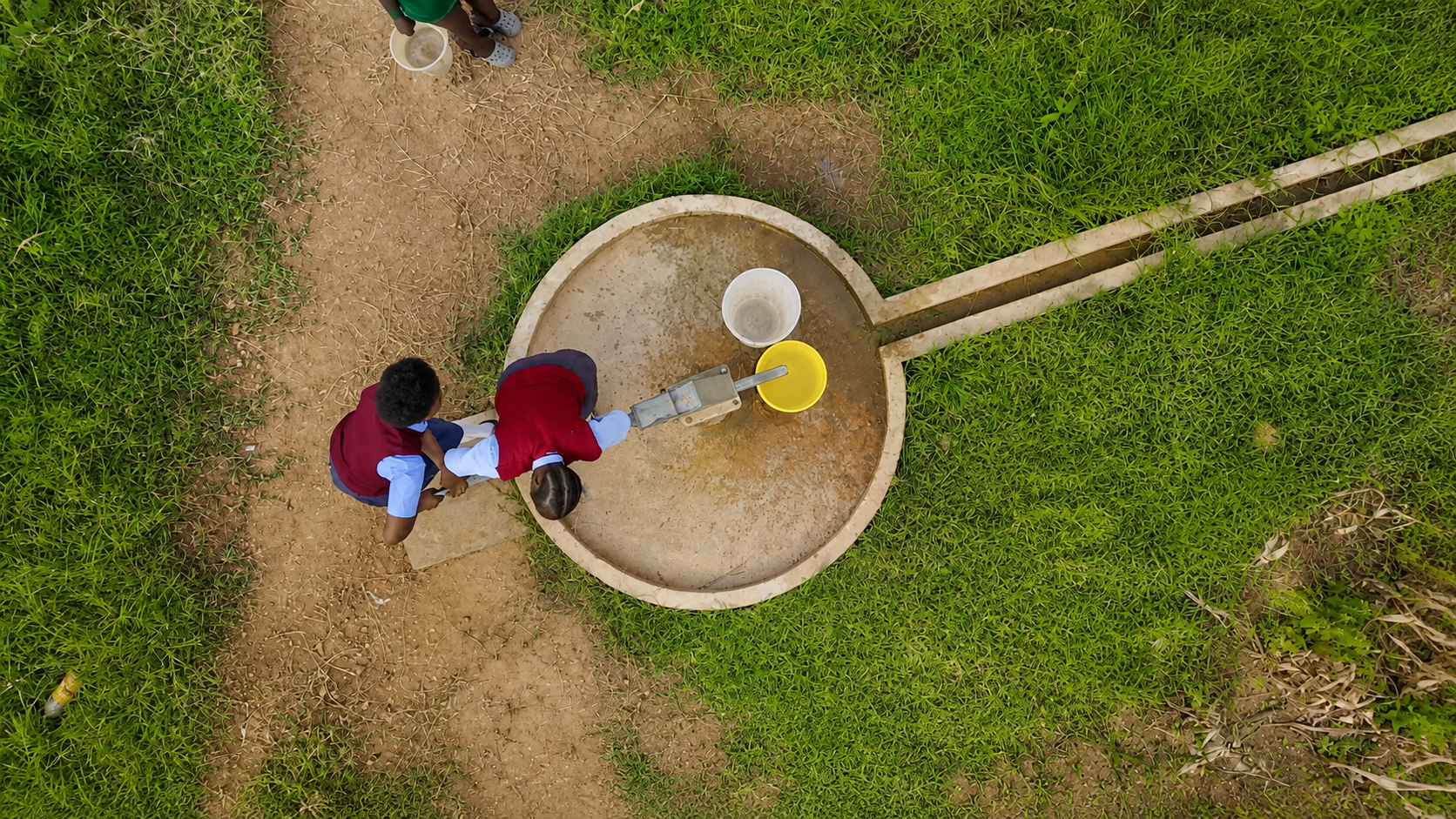
For Tinashe and Precious, both 17 and in their final year at the girls’ secondary school, access to water once shaped the start of every day. Before lessons began, students often left the school compound in groups to collect water from local waterpoints. Each trip could take an hour or more, depending on queues and distance, and often meant arriving late to class.
As Precious explained, “When we went to fetch water, by the time we came back, lessons had already started. It was very hard to catch up.”
Tinashe described missing entire morning sessions, adding, “If you miss the first explanation from the teacher, it is difficult to understand the rest.”
Their experience was not unique. Across the Chikankata mission and surrounding community, families relied on the same distant boreholes and streams for drinking, cooking, washing, and bathing. Water collection was time-consuming and physically demanding, and the quality of the water itself posed serious health risks.
Testing of the water sources used at Chikankata confirmed significant quality concerns. According to Aubrey, the engineer responsible for the new system, “The water showed E. Coli contamination, which means it was not safe for consumption.” Elevated mineral levels were also identified, increasing the risk of longer-term kidney-related health problems.
These findings aligned closely with what health staff at Chikankata Mission Hospital were seeing in practice. The school matron noted frequent cases of stomach illness and skin irritation among students, explaining that “many of the girls were getting rashes or stomach problems linked to the water they were using.” Similar complaints were reported across the wider community, placing additional pressure on the hospital and clinics.
A New Water System
In 2025, a new water treatment plant was installed at Chikankata to address these risks. The system was designed to remove biological contamination, including E. coli, and to improve overall water quality by addressing mineral imbalance.
Today, treated water is supplied to key facilities across the mission compound, including the hospital, schools, and hostels. Further connections to most surrounding homes are now in place with a small number of remaining homes planned to be connected soon. In areas already connected, residents no longer depend on unsafe sources for daily use.
Health staff report already significant reductions in waterborne illness, skin irritation, and hygiene related complaints, reflecting improved water quality and safer access. By addressing both immediate infection risk and longer-term exposure to poor-quality water, the system has improved health outcomes while reducing preventable strain on services.
Time Returned, Health Improved
The benefits of clean water extend beyond health alone. Families spend less time collecting water and more time on daily activities. Schools operate more consistently, with fewer interruptions linked to water access.
For students like Tinashe and Precious, the change has been practical and immediate. With water available on site, they arrive at lessons on time, maintain hygiene with dignity, and focus on their studies rather than daily water collection. As Tinashe put it, “Now we just wake up, prepare, and go to class. We don’t worry about water anymore.”
A Foundation for the Whole Community
While the girls’ school offers a clear illustration of change, the impact of clean water is felt across Chikankata. It supports safer medical care, reduces preventable illness, strengthens education, and improves daily living conditions for families throughout the mission and surrounding community.
As the system continues to expand, clean water is becoming a foundational investment at Chikankata underpinning health, learning, and the effective functioning of services, now and into the future.
Tinashe’s Story: How Clean Water Changed Daily Health and School Attendance
Tinashe is 17 and in her final year at Chikankata Girls’ secondary school. For her, the hardest part of the old water situation was not only the time spent fetching water, but what happened after students used it. “Before the water was very brown with particles,” she said. “It had an odor.” When students drank it or bathed with it, the effects showed up quickly. “Some people would get skin reactions,” she said. “Some of the people drink the water, they would have running stomachs.”
Tinashe experienced that directly. “I have had a running stomach because of the water,” she said. At one point, she described it happening repeatedly in a single week. The result was predictable: more missed time in class, and more pressure trying to recover work later. “It made me feel bad because I missed class,” she said.
Even when she was not sick, the daily work of getting water pulled students out of the school day. Tinashe said she would almost always miss “the first and second session,” because fetching water could take “about an hour and a half,” and students had to wait their turn. “Most of the times it has delayed me for class,” she said. “By the time you come back, you find that maybe the first session is over.” Catching up was difficult. “If you lose the first explanation from a teacher, it will be hard for you to go back and study the topic yourself,” she said.
With running water now available at the school, Tinashe said, “we just wake up going to the bathroom because we have running water… prepare for class because I won’t delay.” She describes the difference as straightforward: she can attend class consistently, stay healthy, and focus on completing school well enough to pursue her next step. Her plan is to study accounting and business administration, and she talks about using those skills to help women manage budgets and resources. Without water interrupting health and attendance, her plan has become more realistic.
Precious’ Story: How Access to Safe Water Opened the Door to Education
Precious is 17, in Grade 12, and the head girl at Chikankata Girls’ Secondary School. Before water was piped into the school compound, students regularly left to fetch water before class. The journey often took over an hour, resulting in missed lessons, particularly the early teaching that new topics are built on.
“There was a time when we started a new topic in math… calculus,” Precious said. She had been fetching water and missed the first lesson. By the time she returned, the class had already moved on. “I tried to understand by myself,” she said, “but it wasn’t really working out.” She had to seek out the teacher afterward and ask for the topic to be explained again, while her classmates were already working on the next stage of the lesson.
With water available on the compound, Precious no longer misses the start of the school day. “We don’t delay for class,” she said. “The whole school program runs very well.” She is now able to attend lessons consistently from the beginning of the day.
Precious wants to become a doctor and is studying pure sciences, including chemistry, physics, and biology. Before water was available on the school compound, time spent collecting water meant missing early lessons that were difficult to recover later, particularly in subjects that build quickly. With clean running water now on site, she is able to attend class from the start of the day and remain there. She is completing her final year of secondary school and is planning to attend university, with consistent class attendance supporting that next step.
She describes her education as foundational, noting that “when you educate a girl child, you are educating a nation.” With water now available on site, girls stay in class instead of leaving to collect water, allowing learning to continue without interruption.
How the Clean Water System Works
The new water treatment system at Chikankata was designed to address both water safety and reliability. According to Aubrey Kaumba, Infrastructure Manager at Chikankata Mission, testing of the original water sources revealed serious risks. “The water showed E.coli contamination,” he said, “which means it was not safe for consumption.” Elevated mineral levels were also identified, raising concerns about longer-term health effects.
The treatment plant works by taking raw water and passing it through multiple stages designed to remove biological contamination and improve overall quality. The system treats the water before it is distributed, ensuring it is safe for drinking, cooking, washing, and medical use. Once treated, the water is pumped to storage and supplied to key facilities across the mission compound.
Today, the system provides clean water to the hospital, schools, hostels, and other Chikankata facilities. This has reduced dependence on unsafe surface sources and improved daily conditions across the site. Health staff report fewer cases of water related illness and skin irritation, and facilities are able to operate more consistently because water is reliable. Additional connections to surrounding homes are already in progress. The impact is already being felt in practical and measurable terms through safer water, fewer preventable health problems, and as a foundational service that supports healthcare delivery, education, and daily life across Chikankata.