
Reliable Power at Chikankata: When outages put lives at risk

Reliable Power.
Safer Care.
See how dependable power supports lifesaving work at Chikankata.
Before reliable backup power was installed, electricity outages at Chikankata Mission Hospital regularly disrupted patient care. Power cuts were not occasional inconveniences. They were frequent, unpredictable, and dangerous, particularly at night and during emergencies.
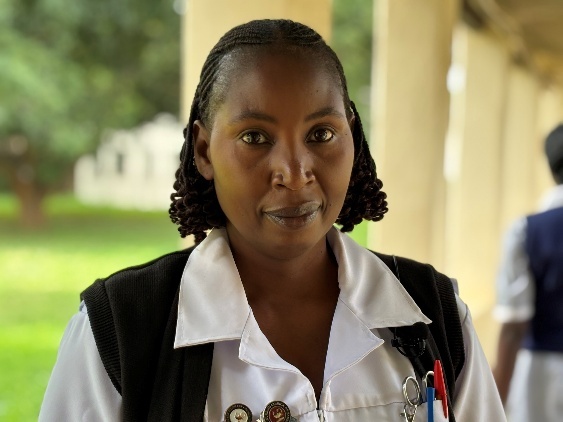
When the grid failed, the consequences were immediate. In the operating theatre and intensive care unit (ICU), equipment shut down. Emergency Caesarean sections were interrupted mid procedure. Oxygen concentrators stopped. Patient monitors went dark. In critical moments, staff were forced to work without suction, lighting, or life-support equipment while trying to stabilize patients whose lives depended on continuous power. As Operating Theatre Sister Suwiranji Nareawala explained, "when the power went out, emergency operations could not continue safely. Lives were at risk, and in some cases, we lost patients."
In the ICU, electricity failures created direct risk for patients who relied on oxygen and continuous monitoring. When power went out, life-support equipment stopped working and alternatives were limited. In some emergencies, care could not be sustained long enough to save the patient. Lives were lost because electricity failed at critical moments, underscoring the essential need for reliable power. "Oxygen concentrators and monitors stopped working when the power failed. In some cases, we were racing against time, and the power did not return soon enough," said Stella Namashoba, ICU nurse at Chikankata Mission Hospital.
To keep the hospital running, diesel generators were used heavily, but they were expensive, unreliable, and difficult to sustain. Fuel shortages meant generators could not always be run continuously. Even when fuel was available, switching between grid power and generators introduced delays at precisely the moments when seconds mattered.
More Stories
Select a story to read more.


Installing solar power: protecting care when the grid fails
In 2024, with funding support from the Helmsley Charitable Trust, solar power was installed at Chikankata Mission Hospital to provide backup electricity during grid outages. The system operates alongside the national grid, supplying power automatically when external electricity fails. Its purpose is not to replace the grid, but to ensure that critical hospital functions remain operational during interruptions.
Previously, when grid power was interrupted, critical hospital services were disrupted. Sudden outages shut down operating theatres and intensive care equipment, forcing staff to respond to power loss while managing emergencies. Oxygen concentrators, patient monitors, suction equipment, and lighting were vulnerable to interruption, creating avoidable risk during procedures and critical care.
With the solar system now in place, essential areas of the hospital remain powered during outages. Emergency care continues without delay, surgical procedures do not need to be paused, and ICU patients remain supported throughout power interruptions. Staff no longer need to switch manually between power sources or rely on generators to sustain critical equipment, allowing care to continue safely, consistently, and without disruption.
As a result, reliable power has strengthened continuity of care at Chikankata by protecting operating theatres, intensive care, diagnostic services, and nighttime access from outages. This reduces preventable risk, supports clinical decisionmaking during emergencies, and allows services to continue without interruption when they are most needed.
What reliable power has changed for patients
The immediate impact of solar power is on patient safety:
- Emergency surgery is now available when needed.
Before reliable power, operating theatre use was limited to planned surgical days, typically once a week. Emergency operations, including Caesarean sections, could not be performed safely outside those windows. With reliable backup power, emergency surgeries can now take place at any time, day or night. - Surgeries are no longer interrupted by power outages.
When grid power fails, lighting, suction, and monitoring remain operational. Procedures continue without sudden stops, reducing disruption during surgery and allowing patients and clinical teams to remain calm and focused. - ICU patients remain supported during outages.
Patients who rely on oxygen, suction, and continuous monitoring are no longer at immediate risk when power fails. Oxygen concentrators and monitoring equipment continue operating, preventing abrupt shutdowns during critical care. - Emergency care at night is safer and more consistent.
Full lighting and functional equipment remain available during outages, allowing emergencies to be managed safely without delays caused by darkness or equipment failure. - Clinical staff can reach the hospital safely at any hour.
Solar street lighting across the hospital grounds allows nurses and other staff to travel to and from the hospital at night to attend to patients or carry out emergency procedures. The predominantly female staff no longer face the risks associated with walking in darkness, including fear of attack or stray dogs. - Delays caused by switching to generators have been eliminated.
Care no longer depends on fuel availability or manual transitions between power sources, removing a major source of interruption during emergencies. - Patient care is no longer dependent on outage duration.
Treatment can proceed continuously regardless of how long grid power is unavailable, improving safety and predictability during critical moments.
For patients and families, this has reduced fear and uncertainty during emergencies. Care is no longer dependent on whether fuel is available or how long an outage lasts.
Reduced dependence on generators and operating costs
Solar backup has also reduced the hospital's reliance on diesel generators:
- Fuel consumption has dropped significantly
- Generator runtime and maintenance demands have decreased
- Funds previously spent on diesel can now be redirected to patient care, equipment, and essential supplies
While cost savings were not the primary goal, they have strengthened the hospital's ability to operate sustainably while protecting critical services.
Diagnostic care without dangerous delays
Reliable power also affects diagnostics where electricity is required to confirm injuries or complications. Previously, outages could delay imaging or force patients to travel elsewhere, sometimes over long distances, simply to confirm a diagnosis.
With consistent power, diagnostic services remain available when patients need them. Patients with injuries no longer have to postpone care or make unnecessary trips because equipment shut down unexpectedly. For patients in pain or distress, avoiding those delays reduces both risk and cost.