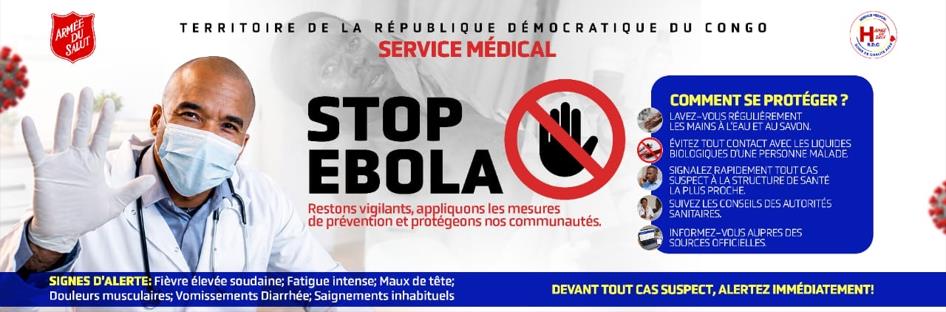
Join the Effort to Protect Communities From Ebola in DR Congo
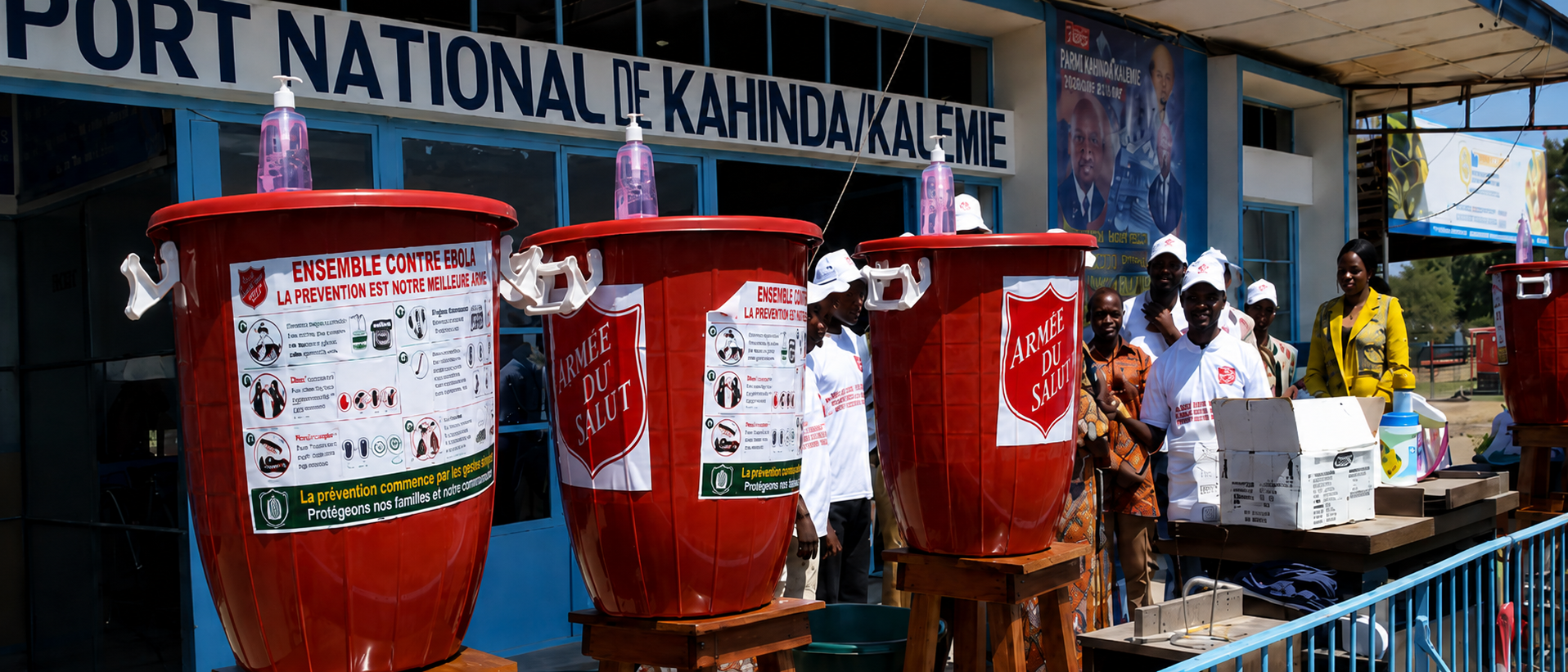
With Ebola cases rising, The Salvation Army is urgently providing protective equipment, hygiene supplies, hand-washing stations, public health messaging, and support for health care facilities across four high-risk areas of the Democratic Republic of Congo.
The Salvation Army is urgently providing critical protection and prevention measures across high-risk areas of the Democratic Republic of Congo as confirmed Ebola cases have increased by more than 30 percent in the past week to more than 800. Deaths now exceed 200.
This response is being mobilized through four targeted emergency efforts, equipping health facilities, supporting communities, and putting practical infection control measures in place where they are most urgently needed.
Transmission is continuing across multiple provinces, with Ituri Province remaining the epicenter. The outbreak has expanded into new health zones, and cases and deaths continue to be reported daily, indicating that the situation is not yet under control.
At this stage, the priority is speed. With no fully approved vaccine or specific treatment available for this strain, controlling the spread depends on ensuring that health workers and communities have consistent access to protective equipment, hygiene supplies, and infection control measures before transmission accelerates further.
What Is Happening on the Ground
Through its corps, clinics, health services, and schools, The Salvation Army is already present in the communities most affected by the outbreak, with local teams known to and trusted by the people they serve.
What is needed now is to scale resources quickly, putting protective equipment, hygiene supplies, and infection control measures in place before transmission accelerates further.
In practical terms, this means equipping 13 health facilities in Kinshasa with basic protection supplies, supporting households in Ituri with hand-washing infrastructure and hygiene materials, strengthening prevention and screening efforts in Kalemie, and ensuring that health workers and patients in North and South Kivu have consistent access to protective equipment.
How You Can Help
Your contribution helps ensure that critical protection and prevention supplies are available quickly and at scale, before transmission accelerates further. Local teams are working to secure and put the following essential materials in place:
- Screening equipment
- ThermoFlash thermometers for temperature checks at health facilities and community entry points ($30 each)
- Hygiene and infection control supplies
- Hydroalcoholic gel for hand sanitation ($4.50 per bottle)
- Hand-washing kits for health facilities and communities ($25 per kit)
- Protective equipment for health workers
- Protective coveralls ($15 each)
- Face shields ($5 each) and protective goggles ($3.50 each)
- Surgical masks and nitrile gloves used daily in patient care ($5–$15 per set)
How Support Is Put to Work
Contributions help put essential protection and prevention measures in place across four high-risk areas:
- Ituri Province — Supports household-level prevention, helping 200 households (approximately 1,400 people) access hygiene supplies, hand-washing facilities, and clear public health information to reduce transmission risk.
- North Kivu and South Kivu — Helps protect frontline care by ensuring health workers and patients in Salvation Army facilities have access to protective equipment needed for safe treatment, reaching approximately 2,050 people.
- Kinshasa — Strengthens infection control across 13 Salvation Army health facilities, helping reduce exposure risk for both medical staff and the large number of patients they serve.
- Kalemie (Tanganyika Province) — Expands community-level prevention through sanitation, hygiene promotion, and screening, helping protect at least 3,000 people in high-risk public settings.
Donate today to help protect communities facing the threat of Ebola in DR Congo.