
Building Safer Futures in Rio's Favelas
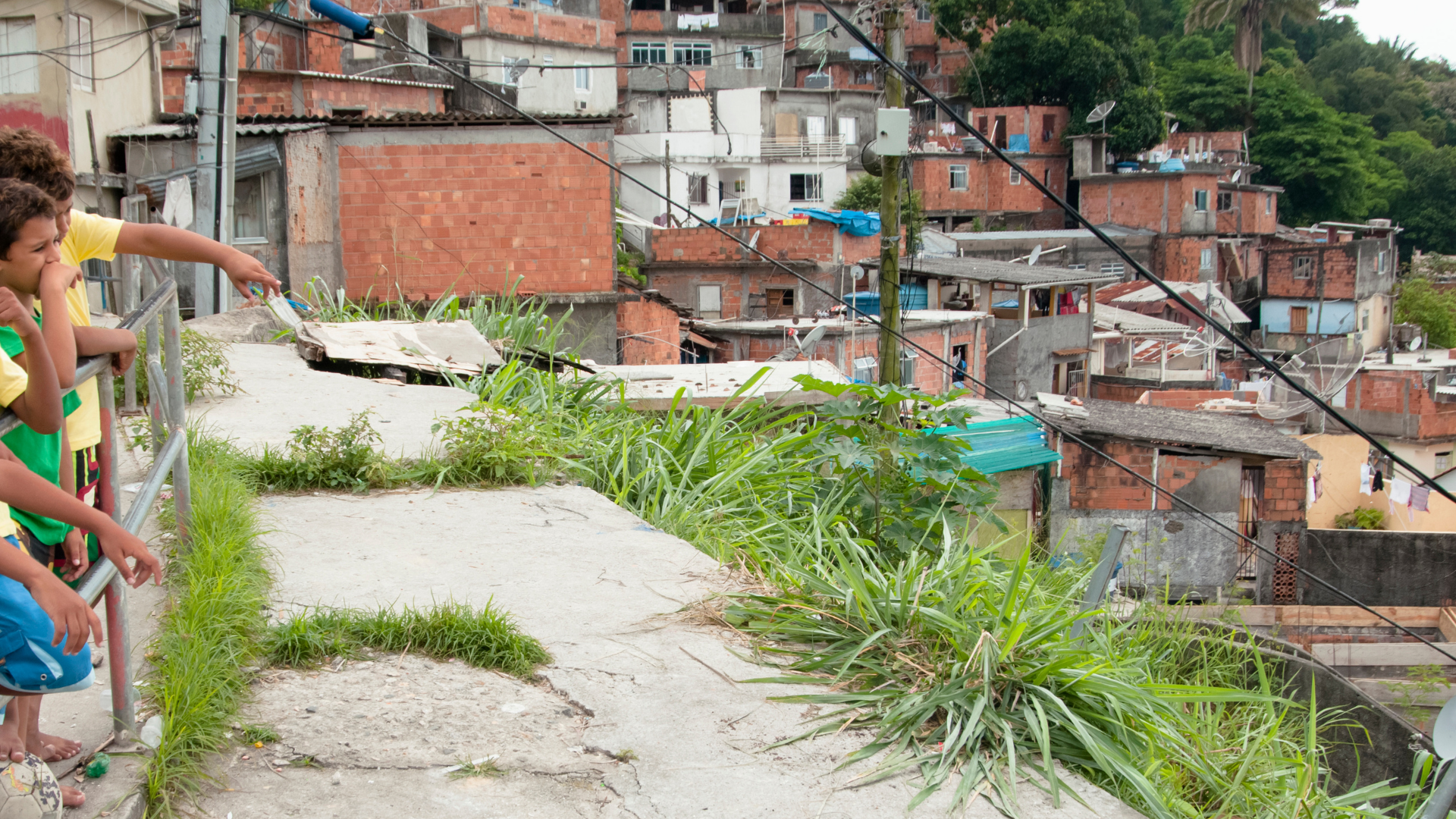 In Rio de Janeiro's favela communities, The Salvation Army is helping children and families build safer, stronger futures. Through the Nova Divinéia Project, 79 children and adolescents and 64 families receive education, sports, life-skills development, psychosocial support and child-protection services designed to help young people thrive despite the challenges around them.
The impact is evident both in the lives of participating children and in the families who support them. An independent evaluation found that 89 percent of surveyed families reported improvements in their children's development and behavior. Children who once struggled with confidence, participation and communication are growing into more engaged learners, stronger teammates and emerging leaders within their peer groups.
This work is taking place in communities where poverty, violence, drug trafficking and exploitation can put childhood at risk. For decades, The Salvation Army Brazil has walked alongside families in Rio's favelas, creating safe spaces where children can learn, develop healthy relationships and discover opportunities for a brighter future. Today, that commitment continues while expanding to reach even more vulnerable young people across the city.
Helping Children Grow and Thrive
The Nova Divinéia Project serves children and adolescents ages 6 to 17 through a structured program focused on personal development, family support and community participation. Currently, the project supports 49 children between the ages of 6 and 11 and 30 adolescents ages 12 to 14, while engaging 64 families in the process.
Participants take part in sports, educational activities, arts and cultural programs, life-skills development and psychosocial support. Children and young people also receive daily nutrition and individualized follow-up designed to help them overcome challenges and reach their full potential.
Children who initially struggled with concentration, confidence and group participation are now communicating more effectively, working collaboratively and taking greater responsibility for their personal development.
Many participants have become more confident speaking in front of groups, sharing ideas and engaging with their peers. Others have emerged as informal leaders, helping classmates understand activities and encouraging participation from younger children. Children who were once hesitant to engage are increasingly participating in activities and building stronger relationships with those around them.
Creating Alternatives to Risk
The work is especially important because of the environment in which it takes place.
Nova Divinéia operates in a favela community where children and adolescents are regularly exposed to the influence of drug trafficking, violence and exploitation. Criminal groups often target young people with promises of easy money, status and power, while sexual abuse and other forms of violence remain persistent threats.
The Salvation Army's response is rooted in prevention, protection and opportunity.
Children participate in activities designed to strengthen social skills, build confidence and develop healthy relationships. Workshops help young people understand their rights, learn about personal safety and develop strategies for navigating difficult situations. Through sports including soccer, volleyball, karate, jiu-jitsu and capoeira, participants develop teamwork, discipline and resilience.
Each child follows an Individual Development Plan, allowing staff to monitor progress and provide personalized support. Families are also engaged through regular follow-up, guidance and referrals to services when additional assistance is needed.
Strengthening Families and Communities
The Nova Divinéia Project extends far beyond the children enrolled in the program. Family visits, counseling and community outreach help strengthen the support systems surrounding vulnerable children. Staff work closely with parents and caregivers to address challenges, improve family relationships and connect households with available services.
Community engagement has also become an important part of the project's impact. During Brazil's national campaign to combat sexual abuse and exploitation of children and adolescents, The Salvation Army organized a community action event that reached approximately 162 people. Residents accessed services including vaccinations, eye examinations, legal support, civil-defense workshops and assistance obtaining official documentation.
The project also plays an active role in advocating for children's rights. Through participation in the Municipal Council for the Rights of Children and Adolescents, The Salvation Army has contributed to the development of local public policies affecting vulnerable children and families. These efforts helped secure approval to raise R$275,000 for initiatives aimed at preventing sexual violence against children, while additional proposals focused on child labor prevention are being developed.
Expanding the Impact to Ramos
Building on the success of Nova Divinéia, The Salvation Army is preparing to expand its work into Ramos, another neighborhood in Rio de Janeiro's North Zone.
A recent feasibility study identified significant needs among local adolescents and young adults, including educational gaps and limited access to structured sports, cultural, leisure and employment-preparation opportunities outside school hours. The study recommended the development of social-assistance services tailored to vulnerable young people and their families.
Preparatory work is already underway. Local Salvation Army leaders have established connections with community partners and social-assistance services, while plans are in place to recruit additional staff and complete the legal registrations required to begin operations.
Once launched, the Ramos initiative will build on the proven experience of Nova Divinéia by providing structured socio-educational support, strengthening family and community ties and creating safer pathways for adolescents and young adults.
Across Rio's favelas, The Salvation Army is helping young people build confidence, strengthen relationships and discover opportunities that can change the course of their future. Through consistent care, trusted community partnerships and a commitment to protecting children, lives are being transformed one child, one family and one community at a time.
A Family's Story of Transformation
One family's experience demonstrates how holistic support can create lasting change.
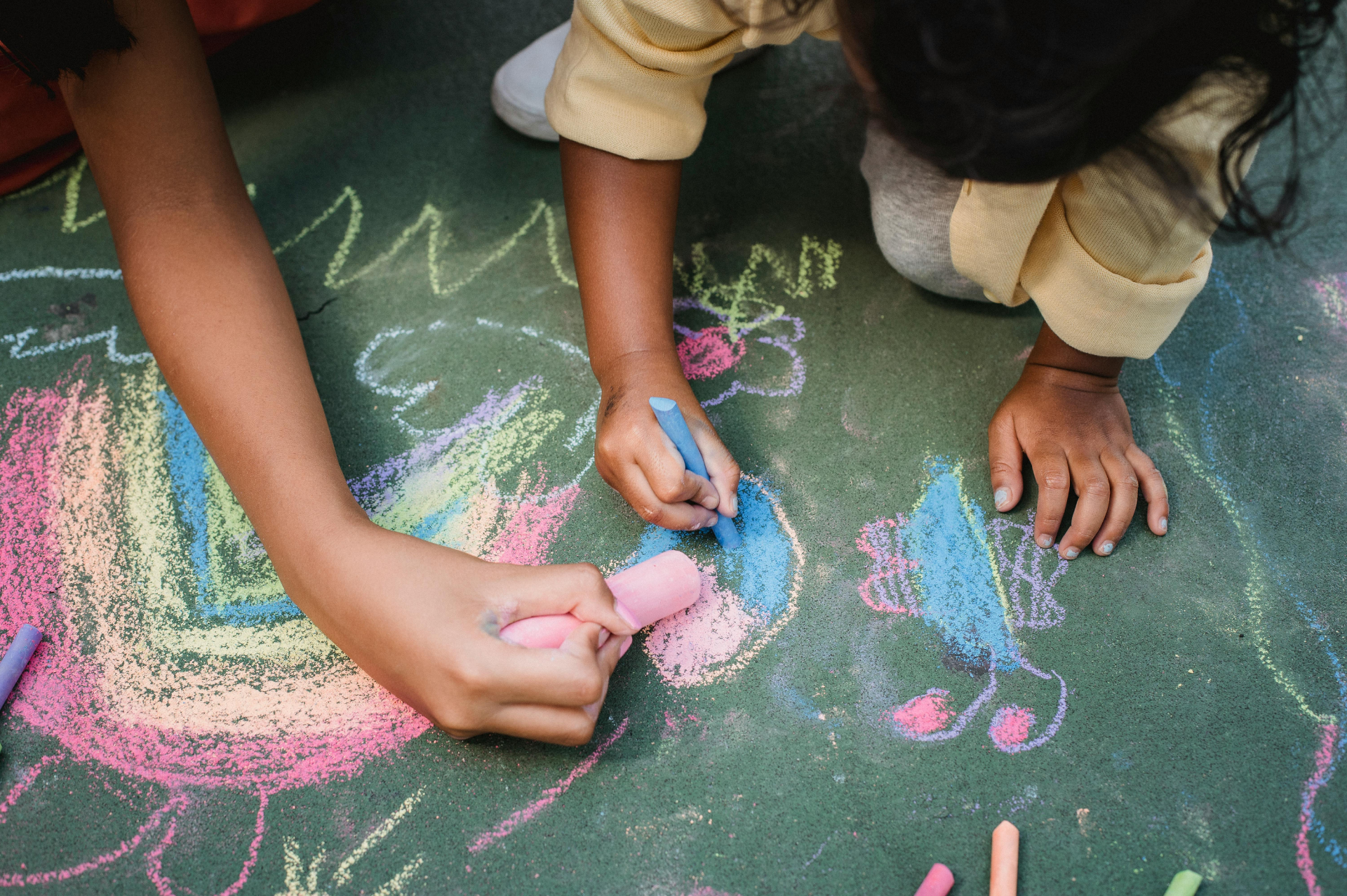
An 11-year-old girl joined the project while struggling with grief, anxiety and family challenges following the violent death of a relative. According to her mother, she had become withdrawn, irritable and reluctant to communicate. The family also faced strained relationships and concerns about the child's safety in a community affected by armed confrontations.
The Salvation Army responded through a combination of psychosocial support, family guidance, home visits and referrals for psychological care.
Over time, the girl's mother reported significant changes. Her daughter became happier, more communicative and eager to attend activities. She began sharing what she learned about respect, emotions, personal safety and children's rights. Family relationships improved, and the child developed a stronger sense of confidence and security.
The support extended beyond the child. Following guidance and referrals, the mother sought psychological support herself. She reported improvements in her emotional well-being, healthier family relationships and positive lifestyle changes that benefited the entire household.
The story illustrates a core principle of The Salvation Army's approach: when children receive support, the positive impact often extends to the whole family.
Help a Child Build a Safer Future
Your support helps The Salvation Army provide safe spaces, education, mentorship and protection for children growing up in Rio's favelas, creating opportunities that can change the course of a life.